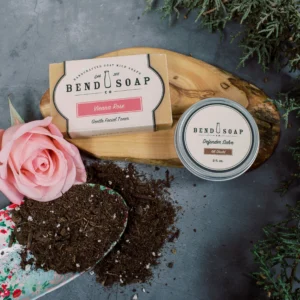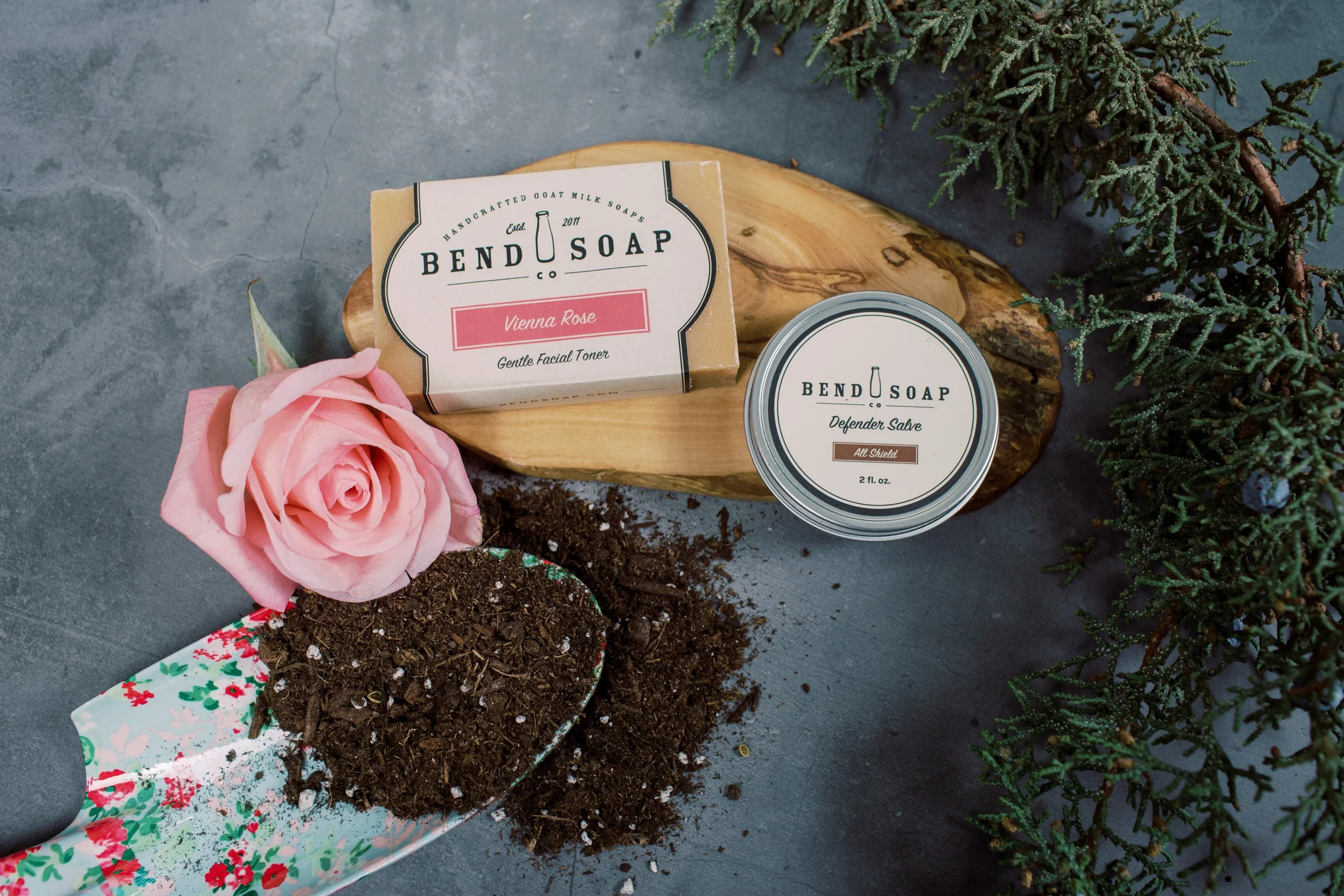
Modern skincare can be an overwhelming landscape of synthetic chemicals, complex multi-step routines, and high-tech formulations. Yet, as the beauty world becomes increasingly crowded with laboratory-engineered active ingredients, a parallel movement has emerged that looks backward rather than forward. Consumers are returning to ancestral, nature-first remedies. Standing at the forefront of this clean-beauty renaissance is the use of farm-fresh, all-natural goat milk soaps and lotions.
Known primarily for its flagship line of all-natural goat milk products, this approach to skincare has garnered a massive, fiercely loyal following. From parents seeking relief for their infants’ severe eczema to individuals battling adult acne, chronic dry skin, or chemical sensitivities, goat milk formulations are frequently spoken of in hushed, almost miraculous tones.
But does a simple, old-world formulation utilizing raw goat milk truly outperform modern clinical skincare? Is the commitment to minimal ingredients sustainable for daily grooming, or is it merely a well-marketed slice of pastoral Americana?
This comprehensive, investigative review unpacks the science, the product archetypes, the sourcing integrity, and the real-world user performance of premium goat milk skincare.
1. The Origin Story: Born Out of Parental Necessity
To understand the core philosophy behind artisan goat milk skincare, one must look at how these products typically come to fruition. The catalyst for many top-tier brands in this space is not corporate ambition, but parental desperation.
Many founders begin their journey because a family member suffers from severe, debilitating eczema. Like many parents in similar straits, they cycle through countless dermatologist visits, prescription steroid creams, and commercial “sensitive skin” lotions. They often find that commercial products offer either fleeting relief or trigger harsh side effects, such as thinning skin and heightened systemic irritation.
[Traditional Corporate Soap] ---> Loaded with synthetic detergents/parabens ---> Strips lipid barrier ---> Aggravates Eczema/Dryness
[Artisan Goat Milk Formula] -> Raw milk, natural fatty acids, cold-processed -> Preserves/Rebuilds lipid barrier -> Soothes Irritation
When creators research the structural root causes of eczema and skin barrier dysfunction, their research continuously points back to the toxic, drying nature of commercial surfactants (like Sodium Lauryl Sulfate) and the therapeutic, historical benefits of raw goat milk. By handcrafting old-fashioned batches of cold-processed soap using fresh, unpasteurized milk from local herds, the results are often immediate and transformative. What begins as a farmhouse kitchen experiment rapidly expands into dedicated manufacturing operations, distributing products worldwide while retaining an original, small-batch ethical core.
2. The Science of Goat Milk in Dermatological Care
To evaluate this movement objectively, we must bypass the warm marketing imagery of farm life and look closely at the biochemistry of goat milk when applied topically to human skin. Why does raw goat milk succeed where highly specialized, laboratory-synthesized cleansers often fail?
The Alpha-Hydroxy Acid (AHA) Factor: Lactic Acid
Goat milk naturally contains high concentrations of lactic acid, a gentle alpha-hydroxy acid. Lactic acid serves a dual purpose in skincare:
- Micro-Exfoliation: Unlike harsh mechanical scrubs or intense chemical peels (like glycolic or salicylic acid), lactic acid gently breaks down the cellular bonds holding dead skin cells to the epidermis. This allows for a continuous, microscopic sloughing of dull skin, revealing the brighter, smoother cells beneath without inducing inflammation.
- Humectant Action: Lactic acid is unique among AHAs because it is also a natural humectant. It actively draws moisture from the atmosphere and binds it into the stratum corneum, hydrating the skin simultaneously as it exfoliates.
Fatty Acid Synergy and the Lipid Barrier
Human skin is protected by a lipid matrix consisting of ceramides, cholesterol, and free fatty acids. When this barrier is depleted, moisture escapes (Transepidermal Water Loss, or TEWL), and environmental irritants or pathogens enter, causing conditions like eczema, psoriasis, and dermatitis.
Goat milk is packed with short- and medium-chain fatty acids, including caprylic, capric, and caproic acids. Because the pH of goat milk closely mirrors that of human skin (hovering around 5.5 to 6.0), these fatty acids are seamlessly integrated into the skin’s natural lipid barrier during the cleansing process. Instead of stripping away the body’s natural sebum, goat milk soap actively deposits a breathable, protective layer of nourishing lipids.
Vitamin and Mineral Bioavailability
Raw goat milk is a living ingredient rich in bioavailable micro-nutrients:
- Vitamin A (Retinol): Crucial for cellular turnover, collagen synthesis, and the repair of damaged skin tissue.
- Selenium: A powerful antioxidant mineral that plays an essential role in neutralizing free radical damage and protecting the skin from environmental stressors like UV radiation and pollution.
- Vitamins B6, B12, C, and E: These vitamins act in unison to calm systemic redness, improve skin elasticity, and brighten hyperpigmentation.
3. Deconstructing the Ingredients: The Four-Core Philosophy
The most striking feature of high-quality goat milk skincare is its uncompromising ingredient simplicity. A typical bar of commercial soap can contain upwards of twenty synthetic chemicals, including petrochemical derivatives, artificial hardening agents, parabens, phthalates, and synthetic lather-boosters.
In stark contrast, flagship unscented artisan bars rely on just four fundamental ingredients. Let’s examine each component through a critical toxicological and performance lens.
                  ┌──────────────────────────┐
                  │   Raw Fresh Goat Milk    │
                  └────────────┬─────────────┘
                               │
            ┌──────────────────┼──────────────────┐
            ▼                  ▼                  ▼
   ┌─────────────────┐┌─────────────────┐┌─────────────────┐
   │ Saponified      ││     Olive       ││   Sustainable   │
   │ Coconut Oil     ││      Oil        ││    Palm Oil     │
   ┌─────────────────┐┌─────────────────┐┌─────────────────┐
            │                  │                  │
            └──────────────────┼──────────────────┘
                               ▼
                  ┌──────────────────────────┐
                  │ Pure Quality Milk Soap   │
                  └──────────────────────────┘
1. Fresh, Raw Goat Milk
Unlike large-scale commercial manufacturers who utilize dehydrated goat milk powder or condensed, canned milk to cut costs, premium crafters use 100% fresh, liquid, raw goat milk. This distinction is critical. The pasteurization, condensation, or dehydration of milk subjects it to high thermal stress, denaturing vital proteins, destroying fragile vitamins, and breaking down beneficial enzymes. By incorporating raw milk directly into the cold-process saponification reaction, the integrity of these therapeutic macromolecules remains completely uncompromised.
2. Saponified Coconut Oil
Coconut oil is the engine of a high-quality bar soap. Rich in lauric acid, it provides exceptional cleansing power and produces a voluminous, bubbly lather without requiring synthetic foaming agents (like sodium laureth sulfate). When properly balanced in a formulation, coconut oil clears away excess dirt, sweat, and environmental impurities efficiently.
3. Olive Oil
Olive oil is highly prized in soapmaking for its deeply emollient, conditioning properties. Packed with oleic acid and skin-loving squalene, olive oil counterbalances the intense cleansing profile of coconut oil. It ensures that the bar leaves the skin feeling supple, cushioned, and velvety, acting as a profound moisture restorative.
4. Sustainable Palm Oil
Palm oil acts as a structural foundation in natural soapmaking, giving the bar its physical hardness and longevity. Without it, an all-natural soap would rapidly melt into mush when exposed to water in a shower dish. Crucially, ethical brands source exclusively sustainable, RSPO-certified palm oil. This structural choice guarantees that the product’s longevity does not come at the expense of tropical rainforest deforestation or habitat destruction for endangered wildlife.
4. Product Range Comparison Matrix
While the movement gained notoriety for its bar soaps, it has carefully expanded into an array of complementary all-natural skincare products. To assist consumers in navigating their options, the following matrix breaks down the core product categories, their target concerns, and their structural profiles:
| Product Category | Primary Ingredients | Target Skin Types / Concerns | Texture & Sensory Experience | Pros | Cons |
| Goat Milk Bar Soap | Raw Goat Milk, Saponified Coconut, Olive, & Palm Oils, Essential Oils/Botanicals (in scented varieties) | All types; exceptional for Eczema, Psoriasis, Rosacea, Acne, and Newborns | Creamy, dense, low-residue lather; leaves skin feeling soft rather than tight | Ultra-clean ingredient deck; multi-use (body, face, shampoo); highly cost-effective | Needs a draining soap dish to prevent premature softening |
| Goat Milk Lotion | Raw Goat Milk, Aloe Vera, Shea Butter, Sweet Almond Oil, Avocado Oil, Natural Emulsifiers | Intense Dryness, Compromised Skin Barriers, Fine Lines | Lightweight, non-greasy, rapid absorption with zero sticky residue | Deep cellular hydration; replaces water with aloe and milk; excellent under makeup | Lacks synthetic preservatives, meaning shelf life must be monitored |
| Goat Milk Milk Bath | Finely shredded, dehydrated, or curled Goat Milk Soap shreds infused with Oats/Honey or Essential Oils | Full-body inflammation, systemic itching, sunburn relief, muscle relaxation | Silky, milky bathwater that softens skin during immersion | Ideal for sensory-sensitive children; covers hard-to-reach areas effortlessly | Can make the tub slightly slick; requires rinsing of the basin |
| Natural Deodorant | Coconut Oil, Beeswax, Arrowroot Powder, Baking Soda (or Magnesium), Essential Oils | Body odor control for sensitive underarms | Smooth, fluid-beeswax glide; non-chalky, transparent application | Genuinely neutralizes odor-producing bacteria without blocking sweat glands | Is not an antiperspirant (will not stop physiological sweating) |
| Salt & Sugar Scrubs | Organic Sugar/Sea Salt, Coconut Oil, Sweet Almond Oil, Shea Butter, Botanical Scents | Dull, rough skin; hyperkeratosis pilaris; calloused hands/feet | Coarse, granular texture that melts into a deeply lubricating oil sheen | Highly effective physical exfoliation coupled with barrier-restoring oils | Can be too abrasive for the delicate skin of the face |
| All-Natural Salves | Olive Oil infused with Calendula/Chamomile, Beeswax, Tea Tree/Lavender Essential Oils | Cracked fingers, mechanic hands, minor cuts, insect bites, post-op scars | Thick, protective, ointment-like balmy texture | Creates a breathable, water-resistant shield; accelerates tissue recovery | Heavy and occlusive; takes time to sink completely into the skin |
5. Exhaustive Product Line Breakdown & Performance Testing
To truly determine whether goat milk formulations deserve a permanent place in your home, let us dive deep into an individual evaluation of the primary product categories.
A. The Goat Milk Bar Soaps
The core of the entire movement is the bar soap collection. The manufacturing process utilizes a classic cold-process method. The oils and raw milk are combined at precisely controlled temperatures, initiating an exothermic saponification reaction that naturally generates glycerin—a prized humectant that commercial brands routinely strip out of soap to sell as a separate byproduct.
1. Oatmeal & Honey Goat Milk Soap
This is the undeniable crown jewel and top-selling archetype across the industry. It takes the foundational four-ingredient base and infuses it with finely ground, gluten-free colloidal oats and raw, locally sourced honey.
[Colloidal Oats] ----> Anti-inflammatory avenanthramides soothe itching
[Raw Honey] ---------> Natural humectant & antibacterial matrix locks moisture
[Goat Milk Base] ----> Delivers essential fats, lactic acid, and vitamins
- The Experience: The ground oats provide a micro-abrasive texture that feels comforting on itchy, inflamed skin. The scent is incredibly faint, clean, and comforting, possessing an organic sweetness derived entirely from the honey rather than synthetic fragrance oils.
- The Results: When tested on skin plagued by winter itch or eczema flare-ups, this bar acts as a therapeutic compress. The inflammation and urge to scratch subside significantly within days of continuous use.
2. Unscented / Castile Goat Milk Soap
Designed explicitly for individuals with extreme chemical sensitivities, hyper-reactive skin, and newborns. It contains absolutely zero essential oils, botanicals, or pigments.
- The Experience: Pure, simple, and functional. It produces a rich, dense, lotion-like micro-lather.
- The Results: This bar is the ultimate diagnostic tool for damaged skin. When a user strips away all complex skincare and washes exclusively with an Unscented bar, the skin is given an optimal environment to repair its own barrier without risk of allergic contact dermatitis.
3. Specialty & Therapeutic Varieties (Tea Tree, Protective Blends, Lavender)
For those looking for targeted therapeutic actions, makers integrate high-therapeutic-grade essential oils into their bars.
- Tea Tree Soap: Formulated specifically for oily, acne-prone skin, or conditions like athlete’s foot and tinea versicolor. The natural antimicrobial, antifungal properties of tea tree oil work in synergy with the exfoliating lactic acid of the goat milk to deeply purge pores of acne-causing bacteria without stripping the skin’s moisture balance.
- Protective Herbal Soap: An aromatic, defensive blend of clove, lemon, cinnamon, eucalyptus, and rosemary essential oils. It provides a deeply invigorating, antimicrobial wash that is highly favored by individuals seeking a robust, sanitizing shower experience after gym sessions or work in public spaces.
B. Goat Milk Lotions
Most commercial lotions are formulated with a primary ingredient of simple water (aqua). While water hydrates the skin temporarily, it evaporates rapidly, often taking the skin’s internal moisture with it unless locked down by heavy, synthetic petroleum derivatives (like mineral oil or petrolatum).
Natural formulators take a radically different architectural approach to their lotions:
Commercial Lotion:  [ Water (60-80%) ] + [ Mineral Oil/Petrolatum ] + [ Synthetic Emulsifiers/Parabens ]
Premium Milk Lotion:   [ Aloe Vera Leaf Juice ] + [ Raw Goat Milk ] + [ Shea Butter / Sweet Almond Oil ]
By substituting pure aloe and raw milk for standard water, every single drop of the product delivers active dermatological value.
Performance Analysis:
- Absorption Profile: Despite the heavy presence of lipid-dense ingredients like shea butter and avocado oil, the lotion possesses an astonishingly lightweight tactile profile. It glides across the skin effortlessly and disappears within sixty seconds of application, leaving behind a matte, silky finish. You can easily apply this lotion to your hands and immediately return to typing on a laptop or using a smartphone without leaving greasy smudges.
- Longevity of Hydration: A single application after a morning shower keeps dry skin comfortable, supple, and flake-free until the following day. It performs excellently as a facial moisturizer for individuals with dry or combination skin, serving as a clean, chemical-free base under cosmetics.
C. All-Natural Deodorants
The transition from chemical antiperspirants containing aluminum chlorohydrate to natural deodorants is notoriously fraught with frustration. Most natural options on the market either fail to control body odor after a few hours or cause painful, bumpy red rashes due to an over-saturation of coarse, alkaline baking soda.
Two distinct deodorant formulations exist to solve these common paint points:
1. Traditional Baking Soda Formula
- Ingredients: Coconut oil, beeswax, arrowroot powder, baking soda, and essential oils.
- The Gliding Mechanism: Unlike chalky, crumbly sticks that tug painfully at underarm hair, these formulas utilize a fluid-beeswax matrix. It slides onto the skin smoothly, resembling a warm, protective balm. It goes on completely clear, leaving no white residue on dark clothing.
- Odor Control: It is highly effective. The combination of antibacterial coconut oil and odor-absorbing baking soda consistently neutralizes volatile fatty acids produced by underarm bacteria, providing reliable protection through workouts or high-stress days.
2. Magnesium-Based Formula (Baking Soda Free)
For individuals who experience severe redness or tracking rashes from baking soda, alternative variations are powered by magnesium hydroxide.
- The Experience: Exceptionally gentle on freshly shaved underarms. It alters the pH of the axillary region just enough to make it inhospitable to odor-causing bacteria without causing cellular irritation or disrupting the delicate epidermal mantle.
- Standout Scent: Apricot blossom or clean citrus magnesium variants are critical favorites, offering a highly subtle, earthy floral sweetness that masks odors effortlessly without being overpowering.
D. The Goat Milk Milk Bath
The Milk Bath is arguably the most luxurious, deeply relaxing item in this category. Rather than compressing their soap into standard bars, companies process the uncured soap into delicate, light curls or shreds that closely resemble artisanal potpourri.
[Inflamed, Pruritic Skin]
         │
         ▼
[Step into Warm Water dissolved with Goat Milk Bath Curls]
         │
         ▼
[Lactic acid gently loosens dead skin cells]  <───>  [Lipids & proteins coat and calm epidermal nerve endings]
         │
         ▼
[Systemic relief from Eczema, Sunburns, or Psoriasis flare-ups]
Application and Efficacy:
When tossed under a stream of running bathwater, these curls dissolve seamlessly, transforming a standard bath into an opaque, silky, milky pool.
- Target Audience: It is a game-changer for parents of infants or toddlers with full-body eczema or diaper rash. Trying to wash a sensory-sensitive, crying child with a bar of soap can be challenging. A milk bath allows the child to simply sit and play in the water while the raw milk, honey, and oats coat, cleanse, and calm their skin barrier passively.
- Post-Bath Feel: Upon stepping out of the tub, there is no chalky, dry residue. Instead, the skin is enveloped in a microscopic veil of conditioning oils, completely eliminating the immediate need to apply heavy body lotions.
6. The Multi-Use Versatility: From Body Wash to Shampoo
One of the most compelling discoveries noted by long-term reviewers of high-quality goat milk soap is its structural versatility. In an era where consumers are conditioned to purchase separate products for every square inch of their bodies, natural alternatives actively simplify the grooming routine.
The Goat Milk Shampoo Experiment
A growing subculture of clean-beauty advocates utilizes goat milk bars as a solid shampoo alternative. Conventional liquid shampoos rely on aggressive detergents (like Sodium Lauryl Sulfate) to strip sebum from the scalp, which often triggers a reactionary overproduction of oil, leading to a greasy-yet-dry dandruff cycle.
How to Use it Properly as a Hair Cleanser:
Using a natural bar soap on hair requires specific technique to avoid heavy buildup or intense tangling:
- Avoid Direct Bar-to-Scalp Friction: Rubbing a solid bar directly onto your head can cause severe knotting, particularly for long or curly hair textures.
- Lather in Hands First: Work up a dense, voluminous lather between your palms, then massage the creamy suds into your wet scalp and roots.
- Focus on the Scalp: Allow the lather to cleanse the sebum and product buildup from the scalp, letting the suds rinse down through the lengths of the hair naturally.
- The Cadence: Reviewers with coarse, thick, or curly hair report that using the goat milk soap as an alternating clarifying wash every other week delivers a highly balanced scalp. It thoroughly removes product residue and dead skin cells while leaving the hair shaft nourished by natural milk fats.
7. Comparative Analysis: Artisan Milk Soap vs. Commercial vs. Luxury Clean Brands
To provide a definitive verdict on value, we must stack artisan goat milk soap against both mainstream commercial soap bars and high-end, premium clean-beauty brands.
                         SUSTAINABILITY & CLEAN INGREDIENTS
                                        ▲
                                        │
                                        │      ★ Premium Goat Milk Soap
                                        │   (Pure, balanced, affordable)
                                        │
                    ┌───────────────────┼───────────────────┐
                    │                   │                   │
                    │                   │    Luxury Clean Brands
                    │                   │   (Pure but very costly)
                    │                   │
  LOW COST ─────────┼───────────────────┼───────────────────► HIGH COST
                    │                   │
  Conventional Bars │                   │
(Cheap but synthetic)│                   │
                    │                   │
                    └───────────────────┼───────────────────┘
                                        │
                                        │
                                        ▼
                           SYNTHETIC CHEMICAL PROFILE
The matrix below highlights how these categories compare across formulation, dermal safety, environmental impact, and cost-efficiency:
| Evaluation Metric | Mainstream Commercial Bars (e.g., Standard Drugstore Brands) | High-End Luxury Clean Brands (e.g., Premium Department Store Esthetics) | Artisan Goat Milk Soap |
| Primary Base | Synthetic detergents, petroleum-based surfactants, sodium tallowate | Plant-based oil bases, purified water, isolated synthetic botanical actives | Fresh, unpasteurized, raw goat milk paired with plant oils |
| Preservatives & Synthetics | High concentration of parabens, phthalates, synthetic lathering agents, artificial dyes | Low to moderate; often contains synthetic stabilizers to extend shelf life | Absolutely zero. Free from artificial dyes, alcohols, or synthetic hardening agents |
| Dermatological Safety Profiling | High risk of stripping lipids; can aggravate eczema, rosacea, and dermatitis | Generally safe, but complex botanical blends can trigger contact allergies | Exceptionally high safety profile; non-irritating, bio-compatible pH balance |
| Environmental Footprint | High; plastic packaging, chemical runoff, use of unsustainable palm oil or petroleum | Varies; conscious packaging but complex supply chains with high carbon footprints | Low; minimal plastic usage, biodegradable formulas, sustainable palm oil |
| Price-to-Value Ratio | Very cheap per bar, but requires auxiliary purchases of heavy lotions to correct dry skin | Expensive ($15–$30+ per unit); often pays a heavy premium for brand prestige | Balanced and accessible; minimizes need for multi-step post-wash routines |
8. Consumer Sentiment Analysis: The Pros, Cons, and Real-World Critiques
An honest, thorough review cannot rely solely on optimal performance scenarios. It must analyze the full spectrum of user feedback across thousands of data points to paint a transparent picture of strengths and systemic challenges.
The Overwhelming Positives (What Users Love)
- Genuine Eczema and Rosacea Relief: The single most common narrative in user reviews is the visible reduction of chronic skin conditions. Thousands of verified buyers share before-and-after documentation showing angry, red, weeping eczema patches smoothing out and calming within mere days of dropping commercial body washes.
- The “Clean Rinsing” Sensation: Unlike many moisturizing bars that leave a heavy, waxy, un-rinsable film over the skin, pure milk soap cleanses effectively. Users report feeling clean, light, and refreshed, yet their skin remains remarkably soft and elastic.
- Exceptional Value for Families: Because a single bar can function effectively as a body wash, face wash, and gentle shave soap, it eliminates the financial need for an array of single-purpose plastic bottles, decluttering showers while cutting down household grooming budgets.
The Constructive Critiques (The Drawbacks to Consider)
- The Sogginess Factor (Longevity Issues): Because traditional formulas completely avoid synthetic chemical hardening agents, the bars are physically softer than mass-produced commercial soaps. If a bar is left sitting in a puddle of standing water or directly under a dripping shower stream, it will absorb the moisture, soften rapidly, and melt away prematurely.
- The Fix: Users must utilize a well-draining soap dish (such as a slatted wooden tray or a raised silicone saver) to allow the bar to air-dry completely between uses.
- Mild Scent Potency: For consumers who are accustomed to mainstream bath products that fill an entire home with perfume, essential-oil-infused natural bars can feel understated. The fragrances are intentionally designed to be subtle and close to the skin, prioritizing dermal safety over high scent throw.
- Allergic Potential of Specific Essential Oils: While unscented and oatmeal varieties are universally tolerated, some users with highly reactive skin report mild contact redness when using spiced or potent herbal varieties, such as eucalyptus or mint blends. This underscores the importance of patch-testing scented variations if you have highly sensitive skin.
9. Final Verdict: Is It Worth a Place in Your Routine?
Skincare trends arrive and depart with predictable regularity, but the fundamental biological needs of the human skin barrier remain entirely unchanged. The epidermis craves physiological lipids, gentle non-stripping cleansers, bioavailable vitamins, and an undisturbed, slightly acidic pH balance.
Scoring the Approach Across Core Dimensions
- Ingredient Integrity: 10 / 10 The use of fresh, raw, unpasteurized goat milk instead of cheap powders, alongside sustainably sourced vegetable oils and pure essential oils, sets an industry gold standard.
- Efficacy & Therapeutic Performance: 9.5 / 10 For individuals battling dry skin, eczema, psoriasis, and chemical hypersensitivity, the products consistently over-deliver. The formulation offers reliable, profound relief by protecting the skin’s lipid barrier rather than attacking it with harsh surfactants.
- Texture & Sensory Experience: 9 / 10 The soap lather is luxuriously creamy and dense. Lotions absorb beautifully with a zero-grease finish, and the deodorants glide smoothly. Only those seeking heavy, synthetic perfume blasts will find the mild, natural fragrances lacking.
- Value & Sustainability: 9.5 / 10 At an accessible price point per bar, it easily outperforms luxury clean-beauty alternatives that cost triple the amount. The commitment to plastic-free bar packaging and sustainable palm oil reinforces its ethical standing.
The Ultimate Conclusion
Artisanal goat milk skincare is a highly authentic approach that thoroughly deserves the praise it receives. By rejecting the complex, chemical-heavy philosophies of modern commercial manufacturing, it has successfully proven that ancient, minimalist skincare principles remain profoundly effective for human skin health.

If you are ready to heal a damaged skin barrier, simplify a convoluted grooming routine, or find genuine relief from chronic irritation, starting with a classic oatmeal & honey goat milk bar paired with an unscented milk lotion is one of the smartest investments you can make for your skin.